Zero Trust Architecture: Why Your Business Needs It Now

Nadia Patel
March 25, 2026 · 1 min read
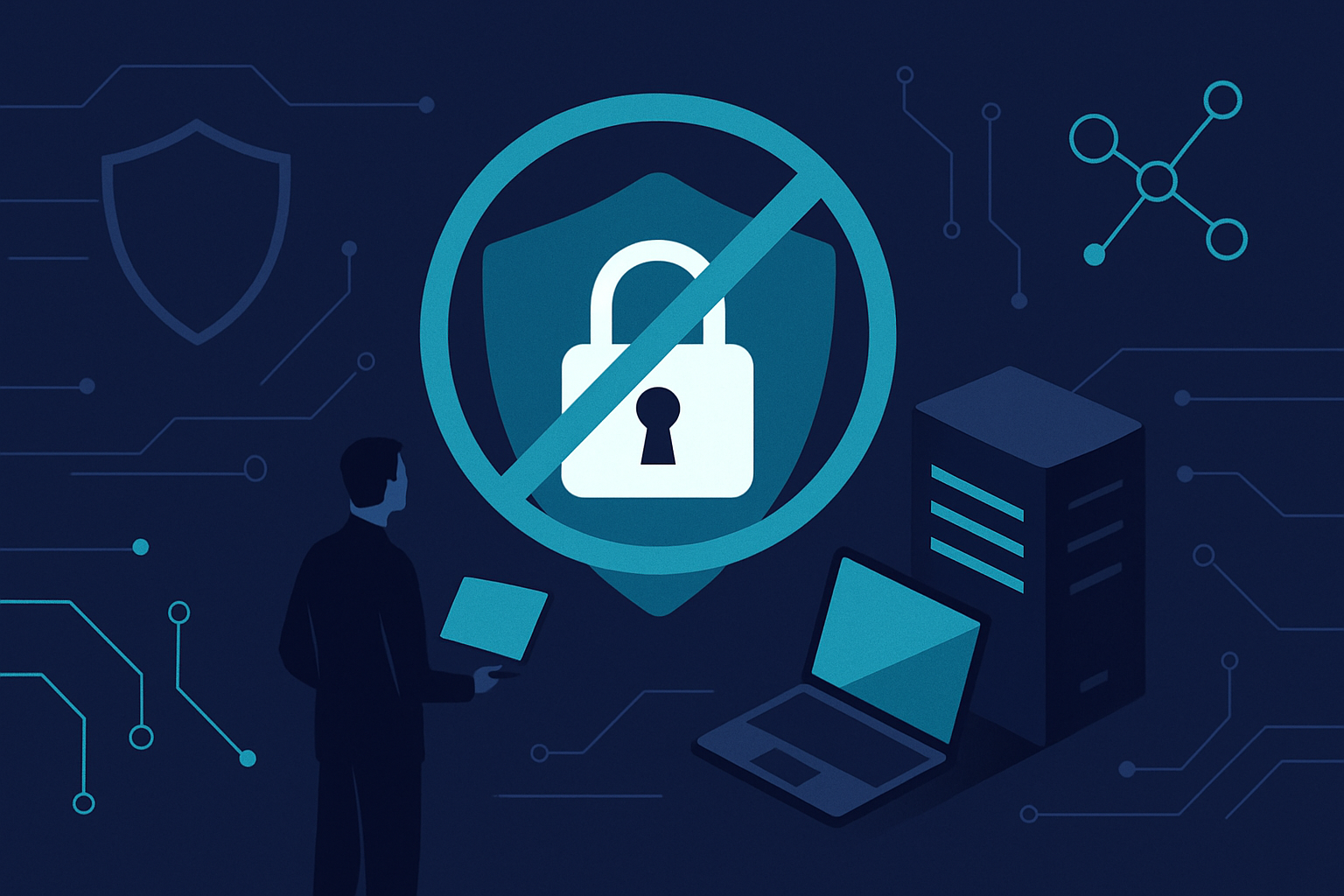
Zero Trust isn’t just a buzzword — it’s the security framework that modern businesses need to survive an increasingly hostile threat landscape. The principle is simple: never trust, always verify.
What Is Zero Trust?
Zero Trust Architecture (ZTA) is a security model that requires strict identity verification for every person and device trying to access resources, regardless of whether they’re inside or outside the network perimeter. Gone are the days of ‘trust everything inside the firewall.’
The Three Pillars of Zero Trust
1. Verify Explicitly: Always authenticate and authorize based on all available data points — identity, location, device health, service or workload, data classification, and anomalies.
2. Use Least-Privilege Access: Limit user access with just-in-time and just-enough-access (JIT/JEA), risk-based adaptive policies, and data protection.
3. Assume Breach: Minimize blast radius and segment access. Verify end-to-end encryption and use analytics to drive threat detection and improve defenses.
Implementing Zero Trust for SMBs
You don’t need a Fortune 500 budget to implement Zero Trust. Start with MFA everywhere, then add conditional access policies, network segmentation, and endpoint verification. Cloud platforms like Microsoft 365 and Azure have built-in Zero Trust capabilities.
Learn how BrightWorks IT implements Zero Trust for businesses of all sizes.
How BrightWorks IT can help
Local IT support from our offices in Richmond, VA, Vernon & Hartford, CT, Hudson Valley, NY, Oneonta, NY, Southeast Michigan, Southern California.
Need Help With Your IT?
Schedule a free, no-obligation IT assessment with our team. We'll show you exactly where your technology stands.
Written by
Nadia Patel
Nadia covers cybersecurity, cloud infrastructure, and IT strategy for growing businesses. With a background in enterprise technology and a passion for clear communication, she helps business leaders understand the technology decisions that matter most.