Why Hybrid Cloud Is the Future of SMB Infrastructure

Nadia Patel
March 7, 2026 · 1 min read
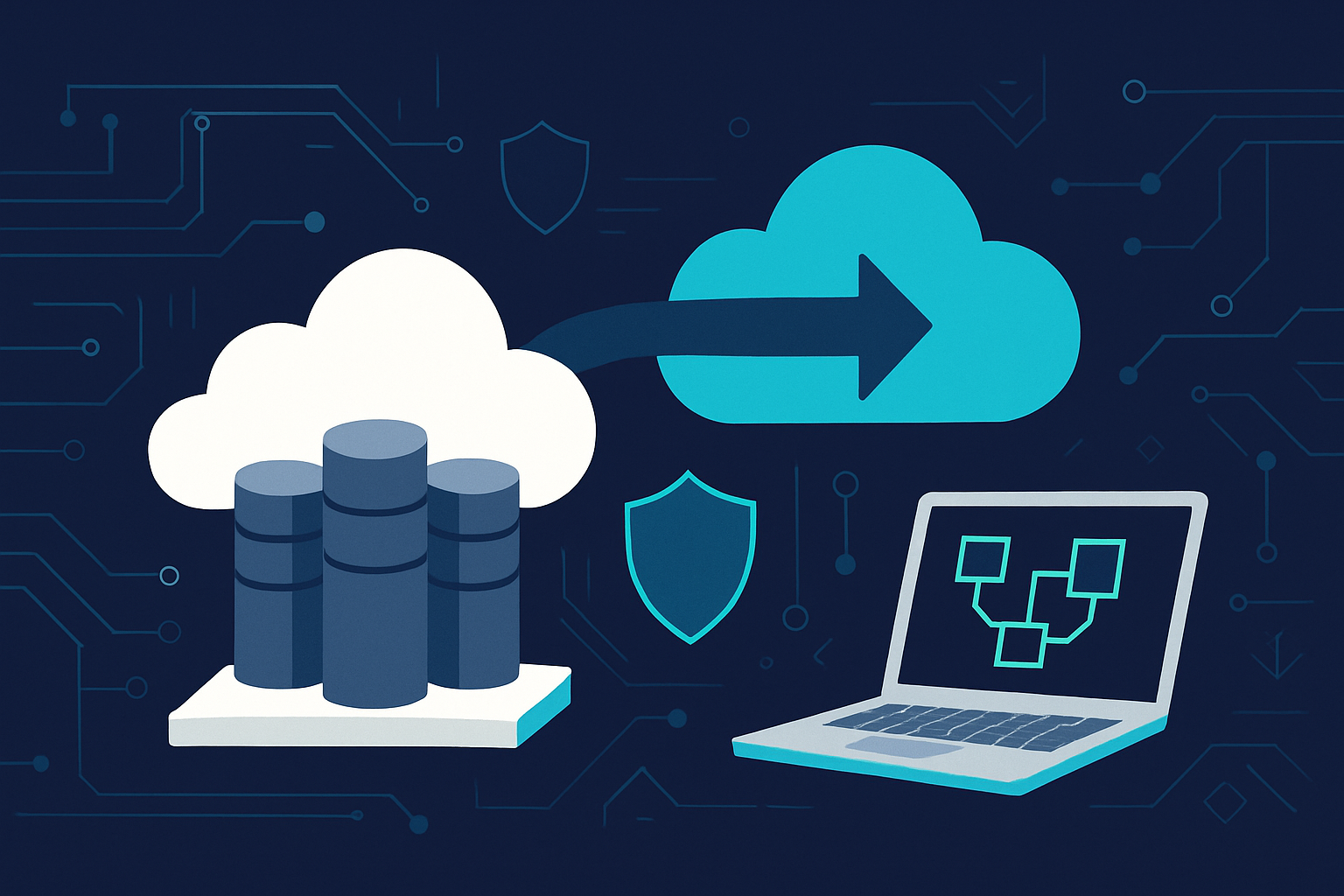
The cloud isn’t an all-or-nothing decision. Hybrid cloud — combining on-premises infrastructure with public cloud services — gives SMBs the flexibility, control, and cost optimization they need.
What Is Hybrid Cloud?
Hybrid cloud integrates your on-premises data center (or colocation facility) with public cloud services like Azure, AWS, or GCP. Workloads can move between environments based on cost, performance, compliance, or availability requirements.
Benefits for SMBs
Flexibility: Keep sensitive data on-premises while bursting to the cloud for peak workloads.
Compliance: Meet data residency requirements while still leveraging cloud capabilities.
Cost Optimization: Run predictable workloads on-premises (often cheaper at scale) and use cloud for variable demand.
Business Continuity: Cloud-based disaster recovery protects against site-level failures.
Getting Started
The key to successful hybrid cloud is proper network connectivity (ExpressRoute, VPN), unified management tools, and consistent security policies across environments.
How BrightWorks IT can help
Local IT support from our offices in Richmond, VA, Vernon & Hartford, CT, Hudson Valley, NY, Oneonta, NY, Southeast Michigan, Southern California.
Need Help With Your IT?
Schedule a free, no-obligation IT assessment with our team. We'll show you exactly where your technology stands.
Written by
Nadia Patel
Nadia covers cybersecurity, cloud infrastructure, and IT strategy for growing businesses. With a background in enterprise technology and a passion for clear communication, she helps business leaders understand the technology decisions that matter most.