Ransomware in 2026: Why Backups Alone Won’t Save Your Business

Nadia Patel
August 10, 2026 · 5 min read
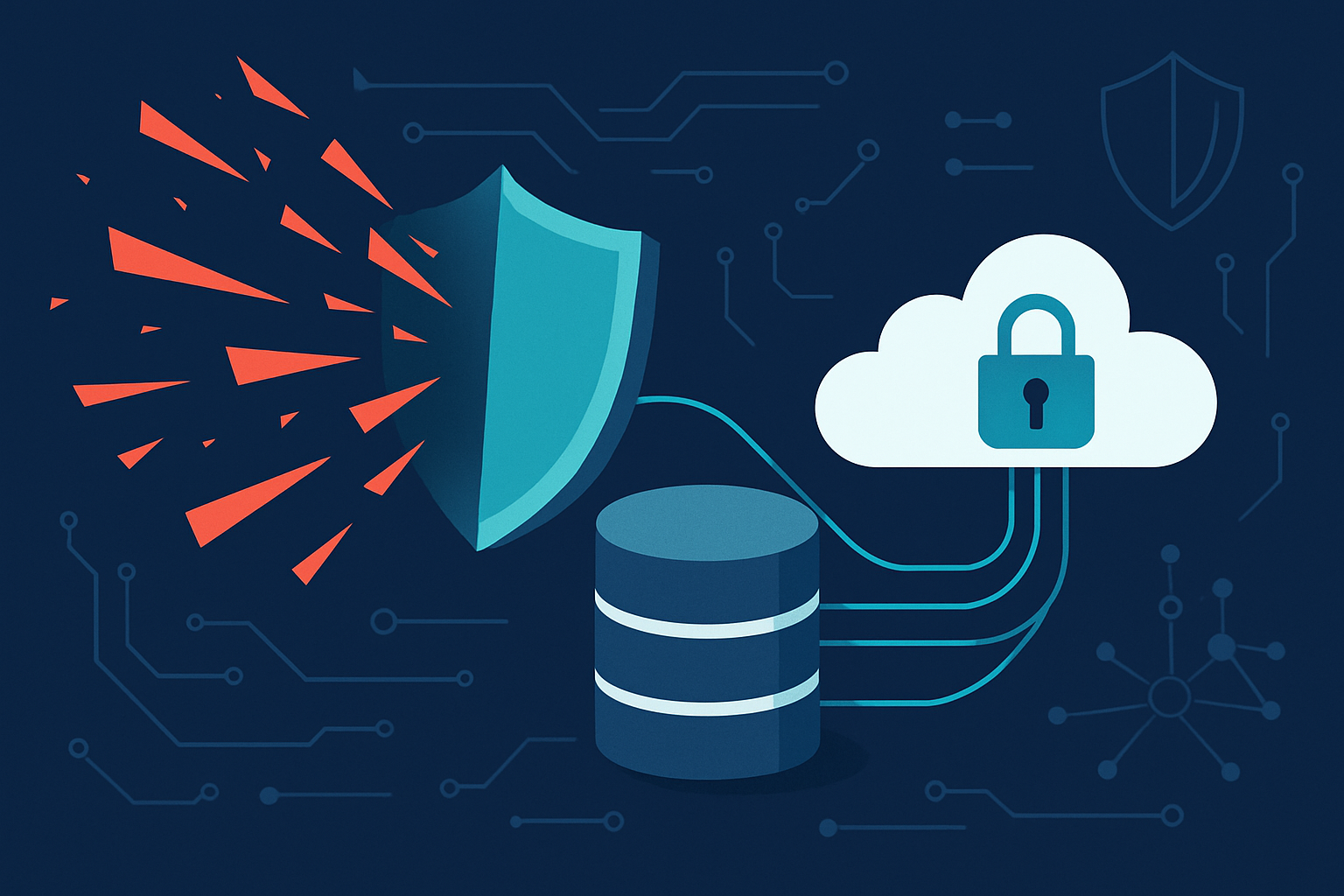
The threat model has changed. If your ransomware playbook still ends at “we have backups,” you are already behind. Modern attackers plan for backups — and price your business accordingly.
The Backup-Only Defense Is a 2015 Answer to a 2026 Problem
For years, the standard advice against ransomware was simple: keep good backups, and you can always restore. That advice worked when ransomware was a smash-and-grab crime — encrypt the files, demand a wire transfer, move on. But the ransomware industry has professionalized. Groups like LockBit, ALPHV/BlackCat, and their successors now run double- and triple-extortion campaigns that make backups only one piece of a much larger fight.
Today’s attackers assume you have backups. They plan around them. They quietly live on your network for weeks — the median dwell time in 2025 was still 11 days according to Mandiant — mapping your environment, stealing sensitive data, and identifying the backup infrastructure itself. By the time the ransom note appears, restoring from backup no longer solves the problem. Your customer data is already on a leak site. Your operations are already down. And attackers are already asking for a second payment to not publish what they took.
How Modern Ransomware Actually Unfolds
A realistic 2026 ransomware incident against a mid-market business looks like this:
- Day 0: Initial access via a phishing email, a compromised VPN credential purchased on a marketplace, or a vulnerable edge appliance.
- Days 1–3: The attacker establishes persistence, escalates privileges, and quietly disables endpoint protection where they can.
- Days 4–10: Lateral movement to file servers, ERP systems, and Microsoft 365. Sensitive data is staged and exfiltrated to attacker-controlled cloud storage.
- Days 10–12: Backup systems are identified and deleted, disabled, or encrypted. Volume Shadow Copies are wiped.
- Day 13: Encryption fires simultaneously across the network. The ransom note appears on every screen, with a countdown.
Notice where backups sit in that timeline. If your only defense is a nightly backup job, you have hours — not days to detect and stop the intrusion before the backups themselves are targeted. Most organizations don’t.
The Four Layers a Modern Ransomware Defense Needs
A serious ransomware program in 2026 has four cooperating layers. Backups are only one of them.
1. Detection and Response (MDR/XDR)
You need eyes on the network 24×7. Managed Detection and Response (MDR) combines endpoint detection (EDR), network telemetry, and identity signals with human analysts who can act on suspicious activity in minutes, not hours. This is what interrupts the attacker on day 3 — not day 13. Signature-based antivirus alone catches almost none of today’s ransomware families.
2. Immutable, Air-Gapped, Tested Backups
“Immutable” means the backup cannot be modified or deleted for a defined retention window, even by an administrator. “Air-gapped” means it lives on infrastructure the attacker cannot reach from the production network — typically object-lock cloud storage or truly offline media. And “tested” means someone actually restores from them every quarter. An untested backup is a hope, not a control.
3. Identity Hardening
Ransomware attackers are, in practice, identity attackers. They win by compromising credentials — especially privileged ones. That means MFA on everything (including VPN, RDP, and email), conditional access policies, privileged access workstations for administrators, and phishing-resistant authentication like FIDO2 for the accounts that matter most.
4. An Incident Response Retainer — Signed Before the Incident
The worst time to negotiate an IR engagement is at 2 AM on the night of an attack. A pre-signed IR retainer with a reputable firm means forensics, containment, negotiation counsel, and legal counsel are one phone call away. It is the single most under-appreciated line item in a small-business cybersecurity budget.
What About Cyber Insurance?
Cyber insurance is a financial control, not a technical one. It pays for the response — it does not prevent the incident. And in 2026, underwriters are demanding more evidence of the four controls above before they will bind coverage at all. If you have not implemented MFA, EDR, tested backups, and email security, expect either a declination or a policy priced to hurt.
The hard truth: if the only reason you can survive a ransomware attack is your insurance policy, you are one underwriting cycle away from being uninsurable.
Where Small and Mid-Market Businesses Get This Wrong
We see three consistent patterns when a business calls us after an incident:
- Backups existed — but lived on the same domain the attacker owned. When the domain admin credential was compromised, the backup server was compromised with it.
- EDR was deployed but not monitored. Alerts fired into a console no one was watching. The attacker walked past 40 detections that would have stopped them if a human had been on the other end.
- No one had ever practiced a restore. When the encryption fired, the “we have backups” confidence collapsed on contact with reality: restore times were measured in weeks, not hours.
What a 30-Day Improvement Plan Looks Like
You do not need to rebuild your security program overnight. A realistic 30-day plan for a business that’s currently backup-only:
- Week 1: Enforce MFA on email, VPN, and all remote-access tools. Inventory every account with administrative rights.
- Week 2: Deploy an EDR platform with 24×7 managed detection. Retire legacy antivirus.
- Week 3: Move backups to an immutable, off-network target. Run a live restore test of your most critical workload.
- Week 4: Sign an incident response retainer. Document your notification obligations (state breach laws, regulators, cyber insurer).
Bottom Line
Backups remain essential — but they are the floor, not the ceiling. In 2026, a ransomware program that stops at backup is a program that assumes attackers will politely leave your backup servers alone. They will not. Build the four layers above, and treat ransomware the way it deserves to be treated: as a business-continuity threat, not an IT project.
If you’d like a candid assessment of where your current defenses stand, get in touch with our team for a no-obligation ransomware readiness review.
How BrightWorks IT can help
Local IT support from our offices in Richmond, VA, Vernon & Hartford, CT, Hudson Valley, NY, Oneonta, NY, Southeast Michigan, Southern California.
Need Help With Your IT?
Schedule a free, no-obligation IT assessment with our team. We'll show you exactly where your technology stands.
Written by
Nadia Patel
Nadia covers cybersecurity, cloud infrastructure, and IT strategy for growing businesses. With a background in enterprise technology and a passion for clear communication, she helps business leaders understand the technology decisions that matter most.